ΕΛ
Έχω την τιμή να φιλοξενώ στην ιστοσελίδα μου τη Φιλόλογο Βίκη Καπέλλου, Εκπαιδεύτρια Ενηλίκων, τ. Υπεύθυνη Σχολών Γονέων στην Στερεά Ελλάδα. Με την μακρόχρονη επαγγελματική της πείρα στη διδασκαλία της Ελληνικής Γλώσσας αλλά κι ως αξιολογήτρια για τις εξετάσεις Πιστοποίησης Ελληνομάθειας, πάντα πρόθυμη, ευπροσήγορη, αφοσιωμένη κι εργατική, εδώ η Βίκη μοιράζεται την δυναμική της προσέγγιση για το αντικείμενο που στηρίζει ακούραστα.
Είναι μεγάλη χαρά που είναι η πρώτη φιλοξενούμενη στην ιστοσελίδα μου
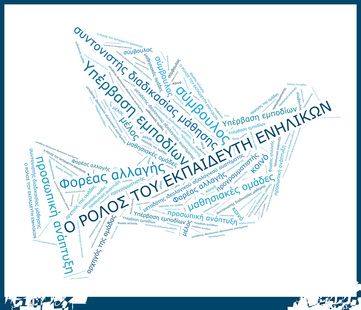
Ο ρόλος του εκπαιδευτή ενηλίκων
«Επειδή οι οικονομικές, τεχνολογικές αλλά και οι κοινωνικές δομές ασκούν βαθύτατη επίδραση στην εκπαίδευση, ειδικά στην παρούσα περίσταση της οικονομικής κρίσης και της διάρρηξης του κοινωνικού ιστού, ο ρόλος του εκπαιδευτή ενηλίκων διαγράφεται ιδιαίτερα σημαντικός. Ουσιαστικά οι εκπαιδευτές καλούνται να μεταδώσουν στους εκπαιδευόμενους τμήματα του ιδεολογικού και αξιολογικού συστήματος. Πρέπει να τους βοηθήσουν να αντιμετωπίσουν τα όποια εμπόδια και να παρακολουθήσουν την εκπαιδευτική διαδικασία, υπό το πρίσμα των κοινωνικοπολιτισμικών επιρροών που οι ίδιοι οι ενήλικοι εκπαιδευόμενοι δέχτηκαν σε όλη τους την ζωή αλλά και εκείνων που δέχονται τώρα από τους υπεύθυνους της εκπαίδευσης ενηλίκων.
Στην εκπαίδευση ενηλίκων σχηματίζονται μαθησιακές ομάδες, μη τυπικές, εθελοντικές και συμμετοχικές. Τα εμφανή και μη εμφανή στοιχεία χαρακτηρίζουν τις ομάδες αυτές. Στα εμφανή-συμφωνημένα στοιχεία εκ των προτέρων ανήκει ο ρόλος του εκπαιδευτή.(Μ. Πολέμη- Τοδούλου,2005:94).
Ο Rogers διακρίνει για τον εκπαιδευτή ενηλίκων 4 ρόλους: αρχηγός της ομάδας, εκπαιδευτής – φορέας της αλλαγής, μέλος της ομάδας, «κοινό», έξω από την ομάδα. Κοινό σημείο των περισσότερων μελετητών του εκπαιδευτή ενηλίκων είναι ότι δεν πρόκειται απλά για έναν φορέα της γνώσης, όπως συνέβαινε στο παρελθόν αλλά για τον συντονιστή της διαδικασίας μάθησης .Ο ρόλος του εκπαιδευτή έχει πολλές όψεις:
* Αυξάνει την προσωπική ανάπτυξη του εκπαιδευόμενου
* λειτουργεί ως παράγοντας αλλαγής,
* ως προγραµµατιστής-συντονιστής και
* ως σύµβουλος.
Ο εκπαιδευτής των προγραμμάτων εκπαίδευσης ενηλίκων είναι ο σημαντικότερος συντελεστής της οργάνωσής τους.»
ΚΑΠΕΛΛΟΥ ΒΙΚΗ ©
(BA Ελληνική Φιλολογία, MA Εκπαίδευση Ενηλίκων)
Βιβλιογραφικές Αναφορές
Πολέμη-Τοδούλου Μ., (2005), Μεθοδολογία Εκ-παίδευσης Ενηλίκων. Τόμος Γ: Η Αξιοποίηση της Ομάδας στην Εκπαίδευση Ενηλίκων. Πάτρα. Ελληνικό Ανοικτό Πανεπιστήμιο.
Rogers A., (1999), Η Εκπαίδευση Ενηλίκων.Αθήνα. Μεταίχμιο
EN
Today, I have the honour to host Vicky Kapellou, Philologist, Adult Educator, former Head of Schools for Parents , Mainland Greece. With her wide professional experience in teaching Greek but also as formal assessor of Greek, always eager, affable, committed and meticulous, Vicky shares with you her dynamic approach to the subject she has been supporting tirelessly. It is a great pleasure to have Vicky as the first-time guest on my website.
"The Role of the Adult Educator"
"As the economic, technological and social structures exert profound influences on education, especially in the current situation of economic crisis, the role of the adult educator is viewed as crucial. In essense, adult educators are invited to convey to learners messages about the ideological and evaluative social system. Educators need to help their adult learners cope with possible obstacles and watch their educational process in light of all the sociocultural influences these learners receive throughout their lives but also those present influences they are faced with in their contemporary educational set-up.
In adult education, learning groups are shaped in different forms - nonformal, voluntary and participatory.
These groups are characterised by obvious and non-obvious features. The role of the Educator has an obvious, pre-agreed element. (M. Polemi-Todoulou, 2005: 94)
Rogers distinguishes four roles for the adult educator: team leader, trainer - changemaker, group member, "audience", outsider.
Most scholars come to agree that Adult Educators are not simply carriers of knowledge, as in the past, but also coordinators of the learning process. The role of the Educator is multi-facetted:
* They contribute to their learners' personal development.
* They act as agents of change,
* They contribute as programmers and coordinators
* They act as a consultant
* Adult educators are the most important factor of organisation."
Vicky Kapellou ©
(BA Greek Literature, MA in Adult Education)
- (Translated by H. Galani)
«Επειδή οι οικονομικές, τεχνολογικές αλλά και οι κοινωνικές δομές ασκούν βαθύτατη επίδραση στην εκπαίδευση, ειδικά στην παρούσα περίσταση της οικονομικής κρίσης και της διάρρηξης του κοινωνικού ιστού, ο ρόλος του εκπαιδευτή ενηλίκων διαγράφεται ιδιαίτερα σημαντικός. Ουσιαστικά οι εκπαιδευτές καλούνται να μεταδώσουν στους εκπαιδευόμενους τμήματα του ιδεολογικού και αξιολογικού συστήματος. Πρέπει να τους βοηθήσουν να αντιμετωπίσουν τα όποια εμπόδια και να παρακολουθήσουν την εκπαιδευτική διαδικασία, υπό το πρίσμα των κοινωνικοπολιτισμικών επιρροών που οι ίδιοι οι ενήλικοι εκπαιδευόμενοι δέχτηκαν σε όλη τους την ζωή αλλά και εκείνων που δέχονται τώρα από τους υπεύθυνους της εκπαίδευσης ενηλίκων.
Στην εκπαίδευση ενηλίκων σχηματίζονται μαθησιακές ομάδες, μη τυπικές, εθελοντικές και συμμετοχικές. Τα εμφανή και μη εμφανή στοιχεία χαρακτηρίζουν τις ομάδες αυτές. Στα εμφανή-συμφωνημένα στοιχεία εκ των προτέρων ανήκει ο ρόλος του εκπαιδευτή.(Μ. Πολέμη- Τοδούλου,2005:94).
Ο Rogers διακρίνει για τον εκπαιδευτή ενηλίκων 4 ρόλους: αρχηγός της ομάδας, εκπαιδευτής – φορέας της αλλαγής, μέλος της ομάδας, «κοινό», έξω από την ομάδα. Κοινό σημείο των περισσότερων μελετητών του εκπαιδευτή ενηλίκων είναι ότι δεν πρόκειται απλά για έναν φορέα της γνώσης, όπως συνέβαινε στο παρελθόν αλλά για τον συντονιστή της διαδικασίας μάθησης .Ο ρόλος του εκπαιδευτή έχει πολλές όψεις:
* Αυξάνει την προσωπική ανάπτυξη του εκπαιδευόμενου
* λειτουργεί ως παράγοντας αλλαγής,
* ως προγραµµατιστής-συντονιστής και
* ως σύµβουλος.
Ο εκπαιδευτής των προγραμμάτων εκπαίδευσης ενηλίκων είναι ο σημαντικότερος συντελεστής της οργάνωσής τους.»
ΚΑΠΕΛΛΟΥ ΒΙΚΗ ©
(BA Ελληνική Φιλολογία, MA Εκπαίδευση Ενηλίκων)
Βιβλιογραφικές Αναφορές
Πολέμη-Τοδούλου Μ., (2005), Μεθοδολογία Εκ-παίδευσης Ενηλίκων. Τόμος Γ: Η Αξιοποίηση της Ομάδας στην Εκπαίδευση Ενηλίκων. Πάτρα. Ελληνικό Ανοικτό Πανεπιστήμιο.
Rogers A., (1999), Η Εκπαίδευση Ενηλίκων.Αθήνα. Μεταίχμιο
EN
Today, I have the honour to host Vicky Kapellou, Philologist, Adult Educator, former Head of Schools for Parents , Mainland Greece. With her wide professional experience in teaching Greek but also as formal assessor of Greek, always eager, affable, committed and meticulous, Vicky shares with you her dynamic approach to the subject she has been supporting tirelessly. It is a great pleasure to have Vicky as the first-time guest on my website.
"The Role of the Adult Educator"
"As the economic, technological and social structures exert profound influences on education, especially in the current situation of economic crisis, the role of the adult educator is viewed as crucial. In essense, adult educators are invited to convey to learners messages about the ideological and evaluative social system. Educators need to help their adult learners cope with possible obstacles and watch their educational process in light of all the sociocultural influences these learners receive throughout their lives but also those present influences they are faced with in their contemporary educational set-up.
In adult education, learning groups are shaped in different forms - nonformal, voluntary and participatory.
These groups are characterised by obvious and non-obvious features. The role of the Educator has an obvious, pre-agreed element. (M. Polemi-Todoulou, 2005: 94)
Rogers distinguishes four roles for the adult educator: team leader, trainer - changemaker, group member, "audience", outsider.
Most scholars come to agree that Adult Educators are not simply carriers of knowledge, as in the past, but also coordinators of the learning process. The role of the Educator is multi-facetted:
* They contribute to their learners' personal development.
* They act as agents of change,
* They contribute as programmers and coordinators
* They act as a consultant
* Adult educators are the most important factor of organisation."
Vicky Kapellou ©
(BA Greek Literature, MA in Adult Education)
- (Translated by H. Galani)